
Daylight desk lamps: choosing light for your workspace
Look beyond the daylight label and compare how a lamp works with the room, the task and the person at the desk.
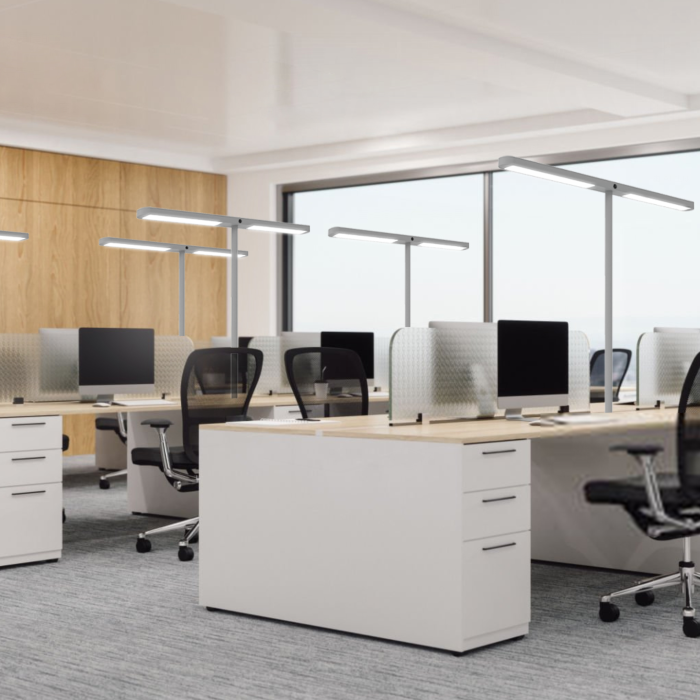
A desk near a window can feel very different in the morning and late afternoon. A desk lamp adds an adjustable source of light, but choosing one starts with the work it needs to support. For a buyer, “natural light” is a prompt to ask for clear specifications and a sample, rather than a complete description of the product.
1. Clarify what daylight means
Ask the supplier what the daylight description refers to: a fixed colour temperature, adjustable white light, or a measured spectral characteristic. Record that answer against the exact version being offered. Two products with the same marketing label may have different controls and light output.
Colour temperature describes the appearance of white light; colour rendering concerns the appearance of objects under it. Review them separately. A colour-temperature value alone does not describe the full spectrum or establish that a lamp reproduces sunlight. The U.S. Department of Energy’s LED Basics guide explains this distinction.
2. Start with the room and window
Place the sample where it will be used, with the normal room lighting switched on. Compare a position beside the window with one further inside the room. Include blinds, monitor locations and any overhead shelves in the review; an empty demonstration table gives a different view from a working desk.
Check the same setup when daylight has changed. Decide whether users need a simple dimmer or a specified automatic response. Daylight and electric light can both create reflections, so changing the lamp setting may need to be combined with adjusting blinds or the workstation layout.
3. Compare paper, screens and materials
Use the documents and materials that people actually handle. Read printed text, look at a dark screen and inspect any samples that depend on colour judgement. Review the lamp from the normal seated position and from the neighbouring seat, rather than standing directly above it.
Move the head within its intended adjustment range and check that useful positions stay in place. Note where reflections or hand shadows appear. If the lamp offers adjustable colour temperature, compare settings alongside the existing room lighting before deciding which behaviour to specify.
4. Try the dimmer through a working day
Move gradually through the dimming range. Check whether the lowest usable setting suits the task, whether changes are easy to control and whether the lamp restarts at an expected setting. A choice of colour temperature when ordering is different from adjustment by the user after installation.
For a shared desk, ask another person to use the controls without coaching. Include switching off, returning later and recovering after a power interruption. This helps turn a personal preference into a repeatable acceptance check.
5. Keep the approved setup on record
Record the model and configuration, mounting position, control settings and documents supplied with the sample. Where the project requires lighting calculations or test data, request them for that configuration. Keep any health or productivity claims separate from the ordinary product-selection decision.
Finish with an agreed description of what the lamp must do at the desk. That gives purchasing and the supplier a clearer basis for comparison than choosing the product whose daylight description sounds most convincing.
A useful enquiry checklist
Prepare these details before discussing the proposed configuration:
- Desk layout, window position and existing room lighting
- Fixed or adjustable colour temperature
- Colour-rendering information for the selected configuration
- Dimming, restart and memory behaviour
- Mounting space and normal adjustment positions
- Sample record and required supporting documents
Make the comparison at a real desk
Use the sample review to choose a useful combination of light, placement and control. Keep the agreed setup with the order so the production version can be checked against the same brief.